雖然數(shù)控機(jī)床的具體應(yīng)用因機(jī)型而異,但所有這些精密的數(shù)控機(jī)床都已廣泛應(yīng)用于各個(gè)行業(yè)。以下將介紹數(shù)控技術(shù)的一些主要優(yōu)勢。
省時(shí)提效
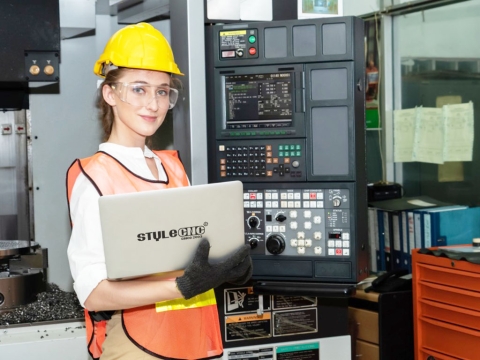
所有形式的數(shù)控機(jī)床提供的第一個(gè)好處是自動化程度提高。操作員在生產(chǎn)過程中的技能水平可以降低或消除。許多數(shù)控機(jī)床可以在整個(gè)加工周期內(nèi)無人值守運(yùn)行,讓操作員可以執(zhí)行其他任務(wù)。這為數(shù)控用戶帶來了幾個(gè)附帶好處,包括減少操作員疲勞、減少人為錯(cuò)誤造成的錯(cuò)誤以及每個(gè)工件的加工時(shí)間一致且可預(yù)測。
平臺精度
數(shù)控技術(shù)的第二大優(yōu)勢是工件的一致性和準(zhǔn)確性。當(dāng)今的數(shù)控機(jī)床的典型精度范圍為 2 至 2 千分之一英寸或 4 至 0.05 毫米,重復(fù)性接近或優(yōu)于 0.10 萬分之一英寸或 0.02mm.這意味著一旦程序經(jīng)過驗(yàn)證,就可以輕松生產(chǎn)出具有相同精度和一致性的兩個(gè)、十個(gè)或一千個(gè)相同的工件。
靈活性
大多數(shù)數(shù)控機(jī)床的第三個(gè)優(yōu)點(diǎn)是靈活性。由于這些機(jī)床由計(jì)算機(jī)程序控制,因此加工不同的工件就像加載不同的程序一樣簡單。
This leads to yet another benefit, quick changeover. since these machines are very easy to set up and run, and given the ease with which programs can be loaded, they allow for a very short set up time. this is critical with today's Just-in-time production environments.
木工車間所需機(jī)器數(shù)量的減少是另一個(gè)值得注意的優(yōu)勢。過去,生產(chǎn)家具或櫥柜需要大量的專用機(jī)器。隨著數(shù)控技術(shù)的出現(xiàn),這種情況發(fā)生了翻天覆地的變化。
工作中心之間耗費(fèi)的時(shí)間越少,生產(chǎn)時(shí)間就越快。在制品 (WiP) 越少,庫存就越少,非增值資源的投資就越少。
其結(jié)果是,機(jī)械需求減少,員工工作量簡化,浪費(fèi)減少,產(chǎn)量最大化。
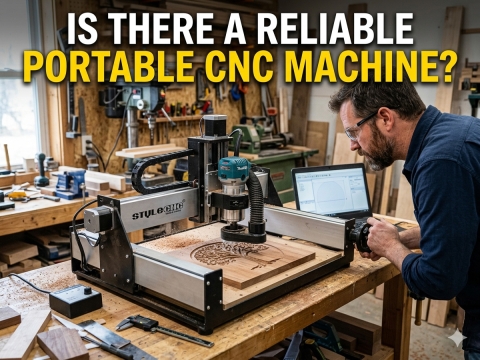
數(shù)控雕刻機(jī)不會休息,雖然操作員會休息,但他可以在進(jìn)行其他工作的同時(shí),為機(jī)器準(zhǔn)備要自行完成的工作。
例如,公司可以在機(jī)器未安排使用時(shí)運(yùn)行雕刻程序。當(dāng)操作員執(zhí)行其他工作時(shí),該雕刻程序會運(yùn)行數(shù)小時(shí),從而為企業(yè)提供額外的收入。
限制
Machines are made to optimally perform a set of functions and they don't inherently have the same mobility and versatility as humans. newer machines have evolved to become multitasking and more versatile and although there are still some limitations with數(shù)控software technology,數(shù)控machine manufacturers are constantly improving their machines and creative users are finding new ways of using them beyond their limitations.
嵌入式技能
由于機(jī)器采用程序控制運(yùn)行,與使用傳統(tǒng)機(jī)床加工工件的工人相比,數(shù)控機(jī)床操作員所需的技能水平也相應(yīng)降低。當(dāng)然,這部分降低會被辦公室人員繪制零件圖和編寫機(jī)器程序所需的技能所抵消。